
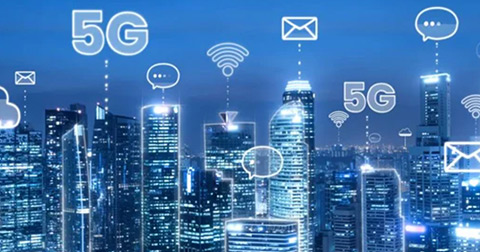
Smart Cities: The Urban Evolution Towards Innovation and Sustainability
Smart cities represent the urban evolution towards the integration of advanced technologies to enhance citizens’ quality of life, improve service efficiency, and promote environmental sustainability. Recently, significant innovations have emerged in this field, accompanied by practical examples of implementation.
Emerging Technologies in Smart Cities
The Internet of Things (IoT) and Artificial Intelligence (AI) are at the core of smart city transformation. IoT enables the connection of devices and sensors that collect real-time data, while AI analyzes this information to optimize various urban services. For example, smart grids, or intelligent electrical networks, use sensors and digital technologies to monitor and manage energy distribution, balancing supply and demand while integrating renewable sources to reduce waste.
Another key innovation is Digital Twins, digital replicas of physical entities that allow for urban scenario simulations and analyses. These tools are essential for urban planning, enabling the testing of innovative solutions and forecasting the impact of infrastructure interventions.
Implementation Case Studies
Several cities worldwide are adopting these technologies to become smarter and more sustainable. For instance, Singapore has implemented an extensive network of sensors and data analytics systems to monitor traffic, air quality, and energy usage, enhancing the efficiency of public services.
In Italy, Palermo has launched the creation of a Central Control Room, acting as the city’s nerve center. This infrastructure integrates data from sensors and AI technologies to monitor mobility, security, the environment, and public services in real-time, enabling swift interventions and more efficient resource management.
These examples highlight how the adoption of advanced technologies can transform cities into more livable, sustainable, and resilient environments, effectively addressing contemporary urban challenges.